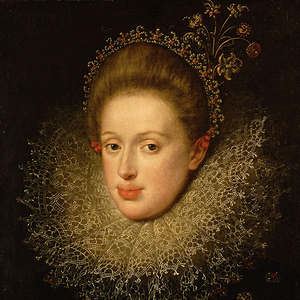
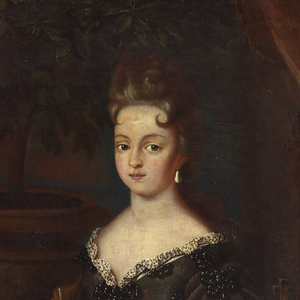
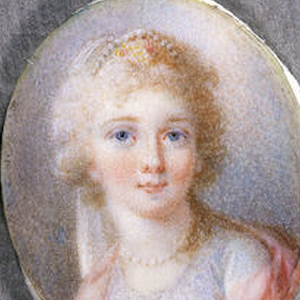
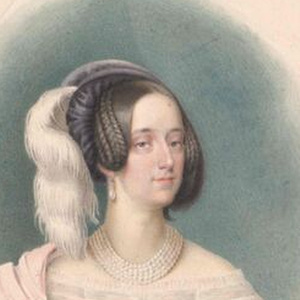
Daughter of Archduke Ferdinand II. of Tyrol and Anna Katharina of Mantua. Crowned wife of Emperor Matthias. Awarded the Golden Rose by Pope Paul V. Borghese. Empress Anna is the testamentary founder of the Capuchin Monastery and the Imperial Crypt.
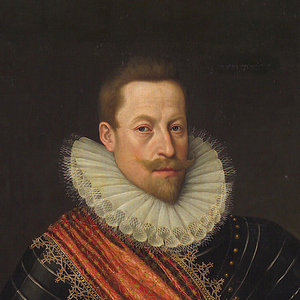
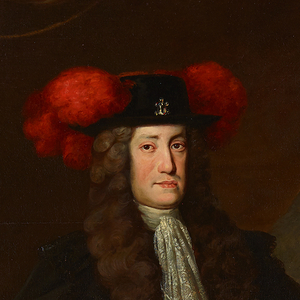
Son of Maximilian II. and Infanta Maria. Husband of Archduchess Anna of Tyrol, whose marriage remained childless. Governor of Lower Austria. King of Hungary and Bohemia, crowned emperor in 1612. Supported the founding of the Capuchin monastery in St. Ulrich. Namesake of Schönbrunn Palace.
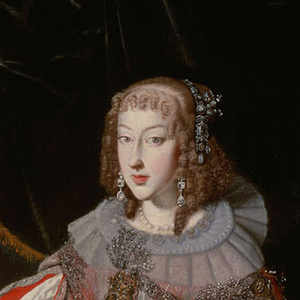
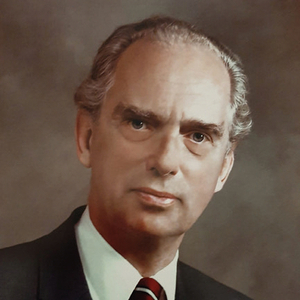
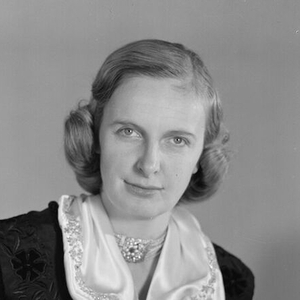
Youngest daughter of Archduke Leopold V. of Tyrol and Claudia de Medici. Second wife of Emperor Ferdinands III. She died giving birth to her first child, Archduke Karl Joseph.
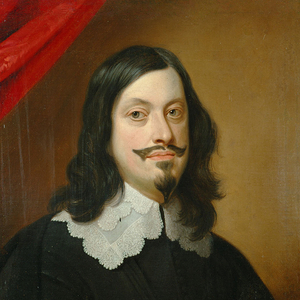
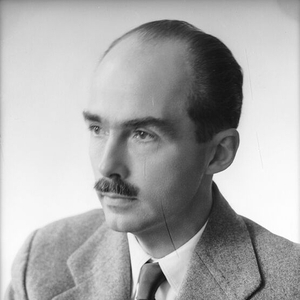
Son of Ferdinand II. and Maria Anna of Bavaria. King of Hungary and King of Bohemia. Commander-in-chief of the imperial troops. Victory over the Swedes and French in the Battle of Nördlingen. Holy Roman Emperor from 1637 to 1657. Ferdinand spoke seven languages, founded a literary academy, and was a musician and composer. Establishment of the “House of Austria” in 1648 in the Peace of Westphalia. Designation of the Imperial Crypt as the Habsburg family burial place.
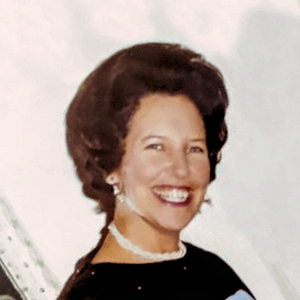
Daughter of Archduke Ferdinand Karl and Anna de Medici. Second wife of Emperor Leopold I. Admired for her beauty, intelligence, and musical talent. Claudia Felicitas is buried next to her mother in the Dominican Church in Vienna, and her heart is interred in the Imperial Crypt.
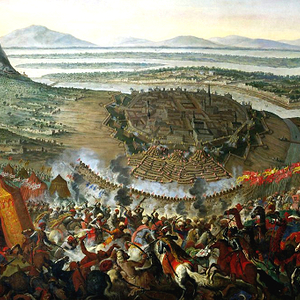
On 14 July 1683, the siege of Vienna (Second Turkish Siege of Vienna) began, lasting until 12 September. On the morning of 12 September, the 80,000-strong relief army under Polish King Jan III Sobieski launched its attack in the Battle of Kahlenberg. The Turks were driven out that same day.
Third son of Emperor Leopold I. and Eleonora Magdalena of Palatinate-Neuburg. King of Bohemia and Hungary. Holy Roman Emperor from 1711 to 1740. Lost the Spanish crown and colonies to Philip of Anjou. Regulation of female succession through the Pragmatic Sanction. Talented musician and great patron of the arts. Expansion of Klosterneuburg as a monastery and residence. Founder of St. Charles's Church.
Daughter of Duke Johann Friedrich of Brunswick-Lüneburg. Wife of Emperor Joseph I. Mother of Leopold Joseph, Maria Amalia, and Maria Josepha. Laid the foundation stone for the Salesian convent. The Amalienburg, part of the Hofburg Palace, is named after her. Buried in her foundation, the Salesian convent.
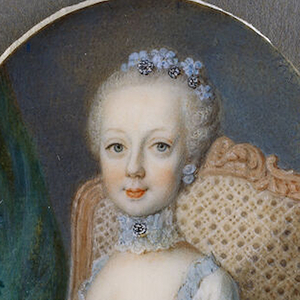
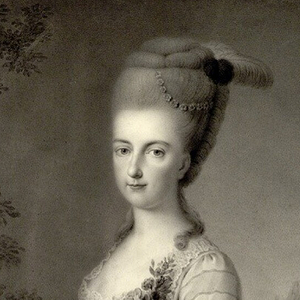
Daughter of Maria Theresa and Emperor Francis I. Stephen. Was betrothed to King Ferdinand IV. of Naples at the age of 12. Died of smallpox before her wedding, which was to be accompanied by music provided by the Mozart family.
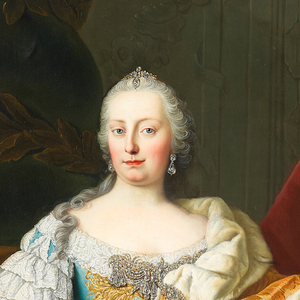
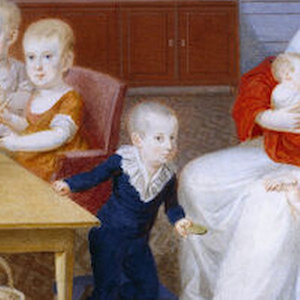
Daughter of Emperor Charles VI. and Elisabeth Christine of Brunswick-Wolfenbüttel. Wife of Francis I. Stephen of Lorraine. Founder of the House of Habsburg-Lorraine. Crowned Queen of Hungary and Bohemia. Mother of 16 children (5 sons and 11 daughters). She managed the affairs of government and initiated many reforms (e.g. compulsory schooling, abolition of torture) and ruled with insight into human nature and determination. As the ‘mother-in-law of Europe’, she married her children throughout Europe for the benefit of the state. At the end of her life, she prepared herself carefully and courageously for death and died remarkably calmly, after 40 years of reign, at the age of 63.
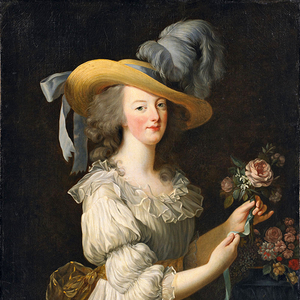
Youngest daughter of Maria Theresa. Wife of King Louis XVI. of France. Mother of four children. Executed by guillotine during the French Revolution. She is buried in the Basilica of Saint-Denis in Paris.
Maria Theresia´s favorite daughter. Wife of Albert of Saxony-Teschen. Mother of Christine who died at an early age. She adopted Archduke Charles in order to have an heir. Maria Christina was a talented painter, member of the Academia di San Luca, and governor of the Austrian Netherlands. Albert had Antonio Canova's famous wall pyramid tomb erected in her honor in the Augustinian Church in Vienna.
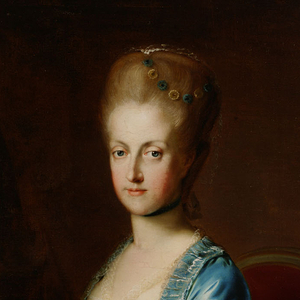
Daughter of Empress Maria Theresa and Francis I. Stephen of Lorraine. Wife of Ferdinand IV of Naples, who became Ferdinand I of the Two Sicilies in 1815. Mother of 18 children. Member of the Royal Crown Council. Founder of an academy of sciences. Committed opponent of Napoleon. Queen of Sicily.
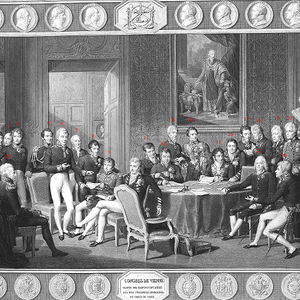
The Congress of Vienna, which took place from 18 September 1814 to 9 June 1815, reorganised Europe following Napoleon Bonaparte's defeat in the Coalition Wars. After the political map of the continent had changed significantly in the wake of the French Revolution, the Congress redrew numerous borders and created new states.
*15.08.1769 Ajaccio, Corsica, France - †05.05.1821 St. Helena, British colony in the South Atlantic
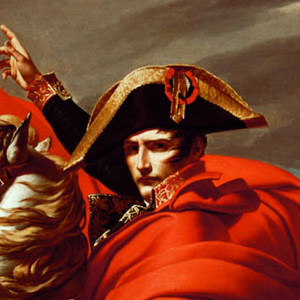
Son of Carlo Buonaparte and Letizia Ramolino. Husband of Joséphine de Beauharnais. After the divorce, he married Maria Louise, daughter of Emperor Franz II.(I.), who bore him his only son, Joseph Karl Franz (Napoleon II.) gebar. Brigadegeneral, Erster Konsul, dann Kaiser der Franzosen. Brigadier General, First Consul, then Emperor of the French. Numerous campaigns, wars, and battles in Europe. Napoleon suffered his first defeat at the Battle of Aspern-Essling against the Austrian army under Archduke Karl Ludwig, the “Lion of Aspern.” After military defeats (Battle of Leipzig, Waterloo), banishment, and exile, he died on St. Helena. His remains were transferred to the Invalides in Paris almost 20 years later.
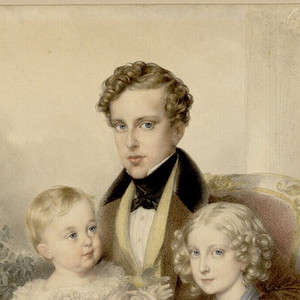
Son of Napoleon and Maria Louise of Austria, daughter of Emperor Franz II.(I.), born as King of Rome and Napoleon II. After Napoleon's exile, he came with his mother to Schönbrunn, where he died of tuberculosis at the age of 21. The sarcophagus initially stood next to that of his grandfather Emperor Franz II (I) in the Franzensgruft. The coffin was transferred to the Invalides in Paris in 1940.
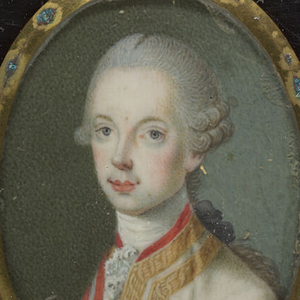
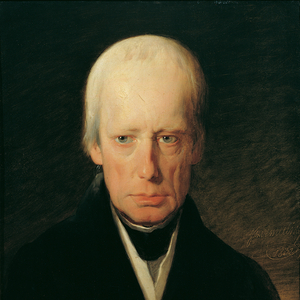
Grandson of Maria Theresa. Son of Emperor Leopold II. and Maria Ludovika of Spain. Last Roman Emperor 1792–1806. First Emperor of Austria 1804–1835. As an emperor who was close to the people, he was nicknamed ‘the good Emperor Franz’. He placed the affairs of state in the hands of his State Chancellor, Prince Metternich. Emperor Franz established the hereditary Empire of Austria. His abdication as Roman Emperor in 1806 marked the end of the Holy Roman Empire of the German Nation, which had existed since Otto the Great in 962.
Son of Emperor Leopolds II. and Maria Ludovika of Spain. Brother of Emperor Francis II.(I.). Adoptive son of Maria Christine and the Duke of Saxony-Teschen. Governor-General of the Netherlands, Commander of the Rhine Army. Field Marshal and Minister of the Navy. President of the Court War Council and Generalissimo. Nicknamed the ‘Lion of Aspern’ after his victory over Napoleon. Equestrian statue on Vienna's Heldenplatz. Construction of Weilburg Castle near Baden.
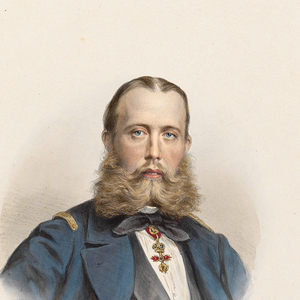
Son of Archduke Franz Karl and Sophie Friederike of Bavaria. Brother of Emperor Franz Joseph I. Husband of Charlotte of Belgium. Rear Admiral of the Austrian Navy, Governor General of the Kingdom of Lombardy-Venetia. Emperor of Mexico from 1864 to 1867, where he was executed in June 1867 during political unrest.
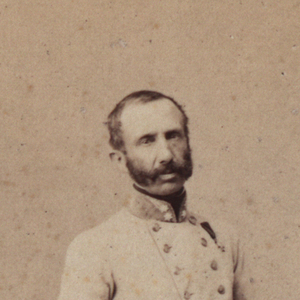
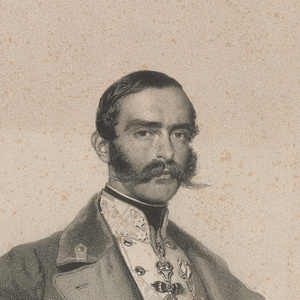
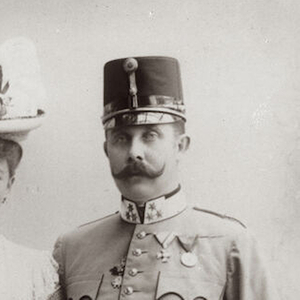
Second son of Archduke Karl Ludwig and Henriette of Nassau-Weilburg. Brigade commander and division commander, then commanding general. Husband of Elisabeth, daughter of Palatine Archduke Josef Anton. Father of five children. Grandfather of King Alfonso XIII of Spain.
Daughter of King Victor Emmanuel I of Sardinia and Maria Theresa of Austria-Este. Without knowing beforehand that he was ill, she was chosen by Metternich to be the wife of Emperor Ferdinand I. Maria Anna was called the ‘Mother of the Poor’ because of her charitable work.
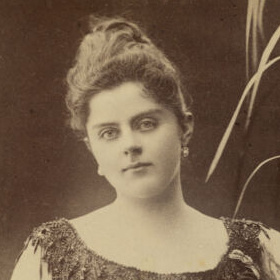
Daughter of Albin Ritter von Vetsera and Helene Baltazzi. The 17-year-old followed her lover, Crown Prince Rudolf, into suicide (“Tragedy of Mayerling”).
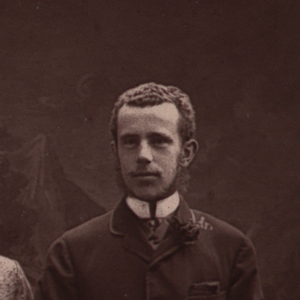
Only son of Emperor Franz Joseph and Empress Elisabeth. Husband of Stephanie of Belgium, daughter of King Leopold II of Saxe-Coburg and Marie Henriette of Austria. Crown Prince Rudolf was pro-Hungarian and had a strong interest in science. He received an honorary doctorate from the University of Vienna and wrote critical political articles in the Neues Wiener Tagblatt newspaper. The crown prince died in the original Mayerling hunting lodge, which Emperor Franz Joseph I had converted into a Carmelite convent.
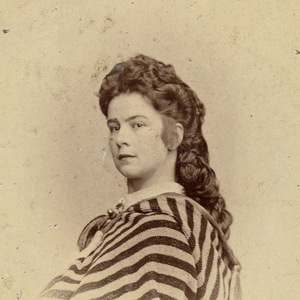
Daughter of Maximilian, Duke of Bavaria, and Ludovika Wilhelmine of Bavaria, daughter of King Maximilian I. Wife of Emperor Franz Joseph I. Mother of Sophie, Gisela, Rudolf and Marie Valerie. Tradition depicts Elisabeth in Bavaria (‘Sisi’) as a sensitive, unconventional woman who suffered under the strict court protocol. She was a poet, an excellent horsewoman and undertook extensive travels. Elisabeth engaged in personal political activities to reconcile the Emperor with the Magyars (Compromise with Hungary in 1867). Elisabeth was assassinated in Geneva by the anarchist Luigi Lucheni.
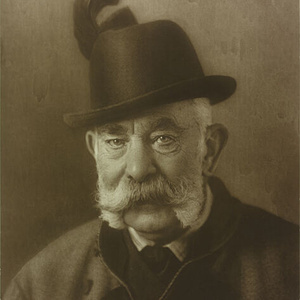
First son of Archduke Franz Karl and Archduchess Sophie Friederike of Bavaria. The grandson of Emperor Franz II.(I.) ascended to the throne at the age of 18 after the abdication of his uncle Emperor Ferdinands I. in the revolutionary year of 1848 and the renunciation of the throne by his father Archduke Franz Karl. Married to Elisabeth of Bavaria. He embodied the dignity of the imperial dynasty with unwavering loyalty and discipline. His 68-year reign and absolutist, centralist rule were supported by the army and the civil service.
*17.08.1887 Persenbeug, Lower Austria - †01.04.1922 Funchal, Madeira, Portugal
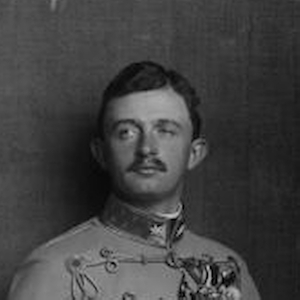
Last Emperor of Austria. Great-nephew of Emperor Franz Joseph. Son of Archduke Otto and Princess Maria Josepha of Saxony. Husband of Princess Zita of Bourbon-Parma. As the “Emperor of Peace,” he strove to establish peace and save the Habsburg Empire. In 1918, he renounced his official duties, then emigrated and went into exile (Switzerland, Madeira). Beatified by Pope John Paul II.
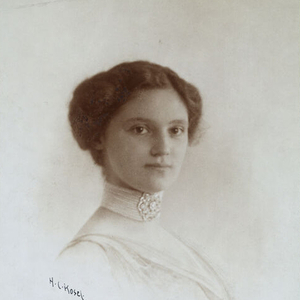
Daughter of Duke Robert of Bourbon-Parma and his second wife Maria Antonia of Braganza. Wife of Emperor Charles I. and last Empress of Austria. Her political commitment made her an indispensable advisor to Emperor Charles. Mother of eight children. The caring empress initiated the establishment of the world's first Ministry of Social Affairs and Health. After the emperor's exile and death in Madeira, Zita went with her children to Spain and Belgium. Hitler's seizure of power forced her and her family to flee across Europe and to the USA, where she worked tirelessly on aid campaigns for Austria and the Danube countries. From 1962 onwards, she lived in seclusion in the Zizers monastery in Switzerland, where she died at the age of 97.
*06.01.1925 Würzburg, Deutschland - †03.02.2010 Pöcking, Germany
Youngest daughter of Crown Prince Georg of Saxe-Meiningen and Klara-Marie, Countess of Korff. Wife of Otto Habsburg. Mother of seven children. Supreme Patroness of the Order of the Starry Cross.
*20.11.1912 Reichenau an der Rax - †04.07.2011 Pöcking, Germany
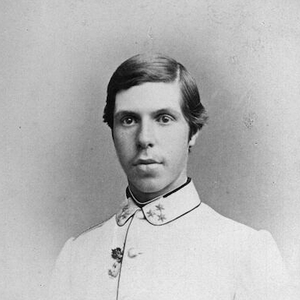
Son of Emperor Charles and Empress Zita. Husband of Princess Regina of Saxe-Meiningen. Father of seven children. Committed to working in exile for his homeland and against National Socialism and Communism. Christian politician, architect of a united Europe. Promoter of Eastern European integration while preserving self-determination. President of the International Paneuropean Union. Member of the European Parliament.